
How to Get Scratches Out of Glasses (and What Actually Works)
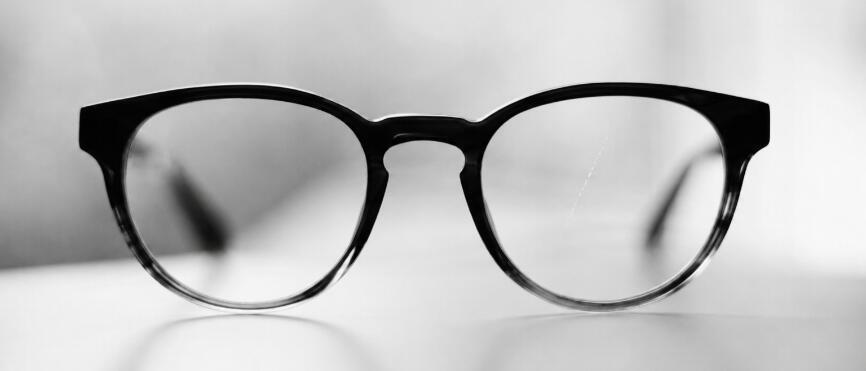
A scratch on your lens is the kind of thing you can't unsee (literally).
It sits right in your line of sight, catches the light at the worst possible angle, and pulls your focus every time you glance through it. So you go looking for a fix, and the internet is full of confident answers: toothpaste, baking soda, a dab of car wax.
Here is the straight version before you reach for any of that. You cannot truly buff a scratch out of a lens. The good news is you do have real options, and you can stop it from happening again. With around three in five UK adults wearing glasses, a scratched lens is something most of us run into sooner or later, so it is worth knowing what genuinely helps, what to avoid and how to decide between living with it, reglazing or replacing.
Can You Actually Remove Scratches From Glasses?
Honestly, no, not really. A scratch is physical damage to the lens surface or to the coatings on top of it. Once that material has been gouged or worn away, it’s gone, and nothing you apply at home can restore it.
It’s worth checking what you are actually looking at first, because a few things can look like scratches. A smear of grease or a film of grime can blur your vision, making it look like surface damage. So can a hazy, peeling anti-reflective coating, which tends to show up as cloudy patches rather than a single sharp line.
Cleaning sorts out grime. It does nothing for a genuine scratch, and a degrading coating usually means the lens is nearing the end of its life. A specialist can strip a spent coating to clear that cloudiness, but that tackles a tired coating rather than a scratch, and a lens at that stage is usually better off replaced anyway.
The DIY "Fixes" That Don't Work (and Can Make It Worse)
Most of the home remedies you will find online fall into one of two camps: mild abrasives and chemical strippers. Both tend to leave your lenses worse than they started.
Toothpaste, baking soda paste, car wax and metal or brass polish are all abrasive to some degree. The theory is that you are gently sanding the surface flat. In practice, you are scuffing the lens with fine grit and wearing through the very coatings that protect it. Modern lenses are usually plastic with anti-reflective and scratch-resistant layers, and those layers are thin and easily damaged. Rub away at them, and you trade one visible scratch for a dull, hazy patch across the whole lens.
Glass-etching compounds are worse. They are designed to strip the anti-reflective coating off entirely. That can make a scratch look less obvious, but only because you have removed the surface it was sitting in. You have not repaired anything. You have stripped a functional coating, dulled the lens and shortened its life.
If a method involves rubbing something gritty on your lens or dissolving the coating, it risks making the damage permanent and more widespread.
What Actually Helps (and What Doesn't)
If the problem turns out to be surface grime or a smudge, proper cleaning genuinely helps, and we cover how to do that without causing scratches further down.
If it is a true scratch, there is no reliable at-home method that restores the lens. That is the honest answer. Rather than chasing a fix that does not exist, the better use of your time is choosing the right next step for the lens you have.
Is a Scratched Lens Actually a Problem?
Before you decide what to do, it is worth working out how much the scratch is really affecting you, because that is what tells you whether to act.
A scratch does not just sit there looking annoying. It scatters the light passing through the lens, which can show up as glare, halos around bright lights, or a patch of haze you keep trying to blink away. Your eyes then work harder to focus past it, and over a long day, that can leave you with tired eyes or a headache.
How much this matters depends on where the scratch sits. A faint mark out at the edge, away from where you actually look, may never trouble you. A scratch in the middle, right in your line of sight, is a different story, and it tends to be worse in tricky light, such as driving at night or facing oncoming headlights.
If you wear glasses and notice your eye keeps catching on the scratch, or you find yourself squinting past it, then you should probably do something about it. If it pulls your focus or makes night driving harder, it is worth dealing with rather than living with.

Your Real Options for a Scratched Lens
There are three realistic options, depending on how bad the scratch is and how you feel about the glasses.
The first is to live with it. If the scratch is minor and sits outside your main line of sight, you may barely notice it day to day. There is no harm in leaving a small, peripheral mark alone.
The second is to reglaze. You keep the frames you already own and have brand-new lenses fitted to them. This is the value option when you like your current frames, or they are good quality (covered in detail below).
The third is to replace the glasses entirely. This makes sense if the frames are also damaged, dated or no longer right for you. For most people with a scratch in their sightline and frames they are happy with, reglazing is the sensible middle ground.
Reglazing: Keep Your Frames, Replace the Lenses
Reglazing simply means fitting new lenses into your existing frame. Your glasses go to a lab, the scratched lenses come out, and fresh lenses made to your current or updated prescription go in. You keep the frame you already know fits and suits you.
It makes the most sense when your frames are in good condition, you like them, and your prescription is either unchanged or due for an update anyway. Because you are only paying for lenses and fitting rather than a whole new pair, it usually costs a good deal less than buying new. Our reglazing service starts from £34.95, which includes single-vision lenses and a hard coating. We can fit new lenses into frames you bought from us or anywhere else, too.
There is an environmental upside as well. Keeping a frame in use rather than throwing it away means less waste, and that adds up: the recycling scheme Recycline has kept around 20 million pairs of glasses, over 500 tonnes, out of UK landfill. Reglazing extends a frame's life instead of adding to that pile.
If you want to see exactly how the process works, our guide to how reglazing works walks through it step by step.
How to Stop Your Glasses From Scratching in the First Place
Prevention is where you have the most control, and a few habits make a real difference.
Clean them properly. Rinse the lenses under lukewarm water first to float off any grit, then dry with a clean microfibre cloth, ideally with a little lens spray. The rinse matters because wiping dry lenses drags trapped dust across the surface like sandpaper.
Never use the wrong thing to wipe them. Paper towels, tissues, napkins, clothing and shirttails are all more abrasive than they feel, and they are the most common cause of fine scratching. Store them safely. Use a hard case when they are not on your face, and never set them lenses-down on a surface.
When you order new lenses, a scratch-resistant coating is useful to have. All frames chosen with a bronze pack (£5) or above come with anti-scratch lenses.
Reglaze or Replace? How to Decide
A quick way to weigh it up:
- Are the frames in good condition? If yes, reglazing keeps a frame you already like. If they are bent, loose or damaged, replacing them may be better value.
- Has your prescription changed? If you are due for an update anyway, reglazing lets you refresh the lenses and the prescription in one go.
- What is the cost difference? Lenses plus fitting is usually cheaper than a complete new pair, and the saving is greatest on premium frames.
- Are the frames worth keeping? Sentimental, designer or hard-to-replace frames are strong candidates for reglazing.
Frequently Asked Questions
Can you remove scratches from glasses?
No. A scratch is physical damage to the lens and its coatings, and that material cannot be restored at home. Cleaning removes grime that can appear to be a scratch, but it cannot mend a genuine one. The true options are to live with a minor mark, reglaze or replace.
Does toothpaste really get scratches out of glasses?
No. Toothpaste is a mild abrasive, so at best it polishes the surface very slightly, and at worst it scuffs the lens and wears through the protective coatings, leaving a hazy patch. It does not remove scratches.
Is it worth reglazing scratched glasses or buying new ones?
If your frames are in good condition and you like them, reglazing is usually the better value, since you only pay for new lenses and fitting. Buying new makes more sense if the frames themselves are damaged or you fancy a change.
How do I stop my glasses from getting scratched?
Rinse before wiping, use a clean microfibre cloth and lens spray rather than tissue or clothing, store them in a hard case, and never put them down lenses-down. A scratch-resistant coating helps, although nothing is fully scratch-proof.
Keep the Frames You Love
Got a scratch you cannot live with? Keep the frames you already own and let us fit fresh, clear lenses to your prescription. Our reglazing service starts from £34.95, and we can reglaze almost any frame.


